

Hourly Handyman in Houston: Plan a Productive Visit

Hiring an hourly handyman in Houston can be a practical way to handle several small home tasks in one visit—but the list needs structure. A vague request such as “a few things around the house” makes it hard to confirm scope, select tools, or estimate how much can reasonably fit into the scheduled time.
A better plan is simple: rank the work, group compatible tasks, send clear photos, and flag anything that may require a licensed trade. This guide explains how Houston homeowners can prepare a useful list without assuming that every repair belongs in the same appointment.
Why an hourly visit can fit a mixed Houston to-do list
Hourly service is often most useful when the tasks are small, clearly described, and compatible with the same general tool set. A door that rubs, a loose cabinet hinge, a shelf that needs mounting, and ready-to-assemble furniture may be easier to discuss together than as four separate requests. AtoZ Local’s Houston home services cover general handyman support, minor repairs, adjustments, punch-list tasks, furniture assembly, and wall-hanging work, subject to the actual scope.
Grouping tasks does not guarantee that every item will be finished in one visit. Access, wall material, missing parts, damaged hardware, drying time, and conditions discovered after work begins can all change the sequence. The goal is to give the technician enough information to set priorities and arrive prepared.
1. Start with a ranked task list
Write one line for each task and put the most important item first. The first item should be the one that matters even if the remaining time is limited.
Name the room and the exact item, such as “upstairs hall door rubs at the top.”
Describe the desired result, such as “door closes without forcing it.”
Note the surface or material if you know it: drywall, wood trim, tile, brick, or a cabinet panel.
List any replacement part or hardware already on hand.
Mark the task as must-do, next priority, or optional.
For anything difficult to describe, use the AtoZ Local estimate request form to send the location, task details, and photos. Clear photos can reveal whether a ladder, anchors, specialty bit, replacement hinge, or another part may be needed.
2. Group tasks that share tools and work areas
A productive list is not simply the longest list. Put related tasks together so the technician can move through the home logically and avoid repeated setup.
Wall mounting and hanging
Group shelves, framed art, mirrors, curtain rods, and similar items by room. Have the item, supplied hardware, and preferred location ready. Keep in mind that the correct fastener depends on the item, wall material, and where framing or other support is available.
Doors and cabinet adjustments
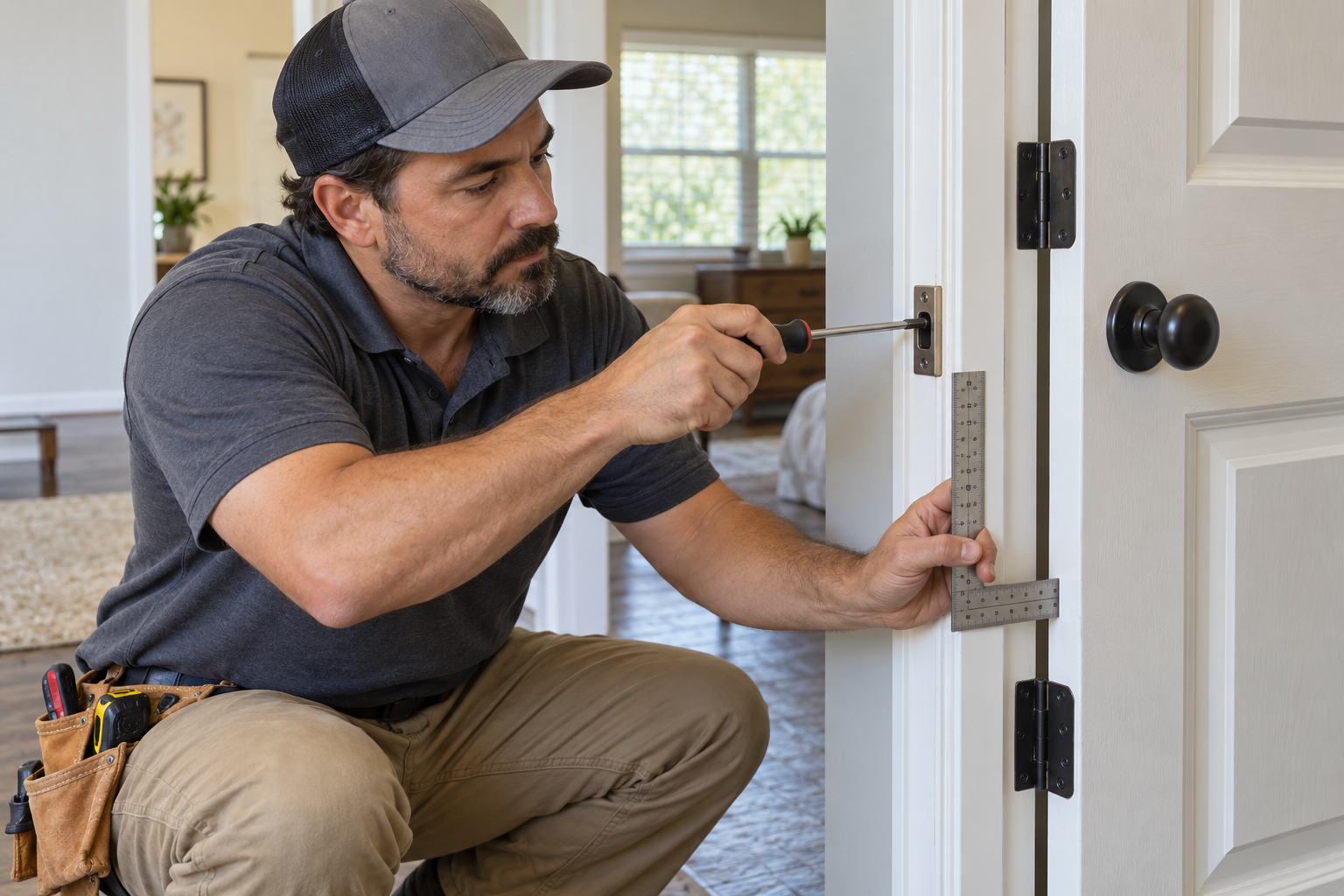
Note whether a door rubs, will not latch, swings on its own, or has visibly loose hardware. For cabinets, identify the affected door or drawer and whether the issue is alignment, a loose handle, or damaged hardware. These details help distinguish an adjustment from a part that may need replacement.
Furniture assembly and anchoring
Keep unopened parts, instructions, and wall-anchoring hardware together. If the item is top-heavy, ask about anchoring rather than treating it as an optional finishing step. The U.S. Consumer Product Safety Commission’s Anchor It guidance advises securing top-heavy furniture and following the manufacturer’s instructions.
3. Prepare the home before the appointment
Preparation protects the scheduled work time and reduces avoidable surprises. Before the visit:
Clear furniture, décor, and stored items away from each work area.
Make sure the technician can reach the electrical panel, attic access, or shutoff area only if those locations are relevant to the approved scope.
Place all customer-supplied parts and instructions in the room where they will be used.
Confirm measurements and preferred placement with every decision-maker before work begins.
Secure pets and keep children away from active work areas.
Point out known leaks, damaged surfaces, previous repairs, or other conditions that could affect the task.
4. Separate general handyman work from licensed-trade work
A task can look small and still fall outside general handyman scope. Requests involving new wiring, replacement receptacles, new circuits, panel work, or other electrical-system changes should be identified before scheduling. The Texas Department of Licensing and Regulation electrical compliance guide explains that non-exempt electrical work is regulated and must meet applicable licensing and code requirements.
The same planning principle applies to gas lines, major plumbing changes, structural alterations, roofing, and other work that may require a specialized contractor, permit, inspection, or site-specific review. Put those requests in a separate section of your list and ask whether they can be handled, referred, or estimated separately. Do not hide a complex task inside a general punch list.
5. Know when to request an estimate instead
Hourly service works best when the tasks are visible, limited, and easy to describe. Request an estimate when the scope is uncertain, materials must be selected, damage extends beyond the visible area, several trades may be involved, or the project could take more than a short service visit.
The Federal Trade Commission’s home-improvement guidance recommends getting written estimates that describe the work, materials, timing, and price. For a mixed home list, a written scope also makes it easier to separate confirmed work from optional items.
A practical Houston booking checklist
One ranked list with the most important task first.
A photo of each item and a wider photo of each work area.
Measurements, model numbers, or manufacturer instructions when relevant.
A note showing which parts are already on site.
A separate list for electrical, plumbing, structural, roof, gas, or other specialized work.
An accessible, cleared work area and a homeowner available for placement decisions.
AtoZ Local serves Houston and communities across Greater Houston, including Katy, Sugar Land, Richmond, Cypress, Fulshear, Memorial, the Energy Corridor, and West Houston. Share the service address and complete task list so the request can be reviewed for scope.
Frequently asked questions
What belongs on an hourly handyman list?
Good candidates are visible, well-defined small tasks such as door or cabinet adjustments, wall hanging, curtain-rod installation, furniture assembly, and other minor punch-list work that fits the confirmed service scope. Send photos when you are unsure.
Should I buy materials before the visit?
Do not guess. Send photos, measurements, and product details first, then confirm who will supply each part. The wrong anchor, hinge, bracket, or fastener can delay the task.
Can every small repair be handled by a handyman?
No. Size alone does not determine scope. Electrical, plumbing, gas, roofing, structural, permit-related, or specialty work may need separate review or a licensed trade.
Is hourly service always better than a project estimate?
No. Hourly service can suit a clearly defined list of compatible small tasks. An estimate is a better starting point when the condition, materials, access, or total scope is uncertain.
Plan your Houston handyman visit
Ready to organize a small home-repair list? Request a home service estimate from AtoZ Local and include your address, priorities, photos, and any customer-supplied parts. A clear request helps confirm what belongs in the visit before work is scheduled.
Sources and editorial note
This article was prepared from AtoZ Local’s published service information and current official consumer, safety, and Texas electrical guidance. It does not promise that every listed task is appropriate for hourly service or can be completed in one visit. Confirm scope, materials, and scheduling directly with AtoZ Local.
AtoZ Local — Home Services in Houston (service scope and Greater Houston service areas).
AtoZ Local — Request a Home Service Estimate (conversion and project-detail form).
Texas Department of Licensing and Regulation — Electrical Compliance Guide (electrical licensing, codes, and scope guidance).
Federal Trade Commission — How To Avoid a Home Improvement Scam (written estimates and contractor-selection guidance).
U.S. Consumer Product Safety Commission — Anchor It (furniture and TV tip-over prevention guidance).


